UK Content Marketing Skills List: Tests, Tasks, and a 12–24 Month Plan

A strong content marketer needs seven skill categories: strategic, creative, technical, SEO, distribution, production, and soft skills. The Content Marketing Institute and the UK's Skills England apprenticeship standard both frame these as core competencies, not nice-to-haves. Below, we break each one down with assessment tasks, learning paths, and resources from Sam's Social Media Club to help you build and prove them.
TL;DR:
- Building a content marketer's skill set requires mastery of strategic, creative, technical, SEO, distribution, production, and soft skills, each with specific assessment methods.
- Strategic skills demand data-driven audience personas, goal-oriented editorial planning, and content reuse across formats to improve efficiency and impact.
- Technical and data literacy involve analytics interpretation, tagging practices, and using AI tools as collaborative aides rather than replacements to enhance productivity.
- SEO expertise now focuses on understanding search intent, structuring content for clarity, and adapting to AI search behaviours for higher discoverability.
- Practical skill development emphasises completing small, timed tasks such as content briefs, analytics exercises, and content repackaging, with progression tailored to career stage.
Find content marketing roles. Explore curated opportunities in content, marketing, communications, and social media with transparent salary listings. Visit the job board
Table of Contents
- 1. The core skills list, grouped by theme
- 2. Strategic skills: audience, planning, and content orchestration
- 3. Creative skills: writing, storytelling, editing, and UX writing
- 4. Technical and data skills: analytics, tagging, and AI literacy
- 5. SEO, search strategy, and topical authority
- 6. Distribution and promotion: social, email, paid, and partnerships
- 7. Production and tools: CMS, editing, and multimedia basics
- 8. Soft skills and collaboration: stakeholder management and editorial judgement
- 9. How to assess and build these skills: tests, tasks, and learning paths
- 10. Where to practise and prove these skills
- 11. Understanding content marketing ROI and budget management
- 12. Legal and ethical considerations in content marketing
- 13. Author perspective: pick one thing to practise first
- How Sam's Social Media Club supports your next move
- FAQ
- Sources
1. The core skills list, grouped by theme
Before you build a learning plan, see the full picture. These groupings mirror how hiring managers actually evaluate candidates, and how the Skills England Level 3 Content Creator standard structures its assessment criteria.
- Strategic: audience research, content strategy, editorial planning, content orchestration
- Creative: differentiated writing, storytelling, editing, UX writing, scripting for formats
- Technical and data: analytics, tagging, CMS proficiency, AI tooling literacy
- SEO and discoverability: topic research, on-page structure, topical authority, awareness of AI search behaviour
- Distribution and promotion: social, email, paid amplification, partnerships
- Production and tooling: CMS workflows, basic audio and video capture and editing, asset management
- Soft skills: stakeholder management, project management, inclusive communication
Each category gets its own section below, with a concrete way to test yourself or demonstrate the skill to an employer.
2. Strategic skills: audience, planning, and content orchestration
Strategic thinking separates a content marketer from a content producer. It starts with audience research: building a persona grounded in actual data (support tickets, sales calls, analytics, surveys) rather than guesswork. A quick test of your own competence is to build one persona using three distinct data sources and write a single paragraph explaining how it would change a content brief.
Editorial planning is the next layer: mapping content to business outcomes with a calendar that ties each piece to a goal, not just a publish date. A simple KPI framework looks like this:
- Awareness content: tracked by reach and new visitors
- Consideration content: tracked by time on page and return visits
- Conversion content: tracked by leads or sign-ups generated
Content orchestration, an emerging expectation for senior roles, means reusing and adapting modular content across formats rather than creating from scratch every time. A webinar transcript becomes three blog posts, a short video, and an email sequence.
Pro Tip: Bring one campaign brief and its measured result to an interview. It proves strategic thinking better than any list of skills on a CV.
3. Creative skills: writing, storytelling, editing, and UX writing
Writing that sounds like everyone else's writing doesn't move anyone. Differentiated writing means having a point of view and editorial judgement sharp enough to cut what doesn't serve the reader. A useful exercise: take a generic product description and rewrite it with a specific audience and a specific objection in mind.
Storytelling frameworks like problem, insight, action give structure to otherwise shapeless narratives. Use this shape for case studies, founder stories, or customer testimonials where the reader needs a clear arc, not just facts.
Quick drills to sharpen creative skills:
- Rewrite a mediocre headline five different ways in five minutes
- Cut a paragraph by 30% without losing its point
- Write a 60-second audio script for a product update
For a portfolio, include a before-and-after edit, a piece written for two different audiences, and one UX writing sample (an error message, a confirmation screen, a button label), since this shows range beyond long-form writing.
4. Technical and data skills: analytics, tagging, and AI literacy
Hiring managers increasingly expect comfort with data, not just content. Start with the basics: build a simple dashboard tracking traffic, engagement rate, and conversion rate for one content type, then write three sentences interpreting what the numbers mean for strategy.
Tagging and metadata often get overlooked until a campaign's results can't be traced to its source. A quick self-test: tag five pieces of content with UTM parameters and verify in your analytics tool that the traffic attributes correctly.
AI tooling literacy now ranks among the most-cited skills for modern content marketers, with strategic thinking and AI proficiency identified as the capabilities that matter most as production tasks become more automated. That means using AI as a co-pilot, not a replacement. Most content marketers report using generative AI to brainstorm topics, summarise research, and outline drafts, with far fewer trusting it to write finished copy.
- Use AI to outline a brief, then write the draft yourself
- Use AI to summarise a long report into three key takeaways
- Use AI to QA your own draft for clarity and tone, then revise
Turning data into a narrative looks like this: "Engagement on video content is double that of static posts, so we should shift 20% of next quarter's production budget toward short-form video."
5. SEO, search strategy, and topical authority
SEO skill today means understanding intent, not just keywords. A practical workflow for a content brief: identify the search query, determine whether the reader wants a quick answer or a deep guide, then map subtopics competitors cover that you don't.
On-page basics still matter: clear headings, a direct answer near the top, internal links to related pieces. Test yourself by rewriting a weak headline and meta description for an existing article so both state the specific benefit instead of a vague promise.
AI search behaviour adds a layer: content that answers a question directly and clearly, with real structure, tends to get surfaced and cited by AI tools. This rewards the same clarity that's always helped human readers.
- Pick one topic and list five subtopics competitors miss
- Rewrite a headline and meta description for clarity and specificity
- Spend 60 to 90 minutes identifying content gaps for a single topic cluster
6. Distribution and promotion: social, email, paid, and partnerships
Great content that nobody sees doesn't move a business forward. Distribution skill means knowing which channel fits which content format, and adapting the message rather than copy-pasting it everywhere.
- Channel selection: match format to platform; a long-form guide becomes a carousel on social and a short summary in email
- Paid testing: run a small budget test across two audience segments and watch cost per click and conversion rate, not just impressions
- Partnerships: build a short outreach template that states the mutual benefit in the first two sentences
- Metrics progression: track reach, then engagement, then conversion, since strong distribution shows improvement at each stage, not just at the top
7. Production and tools: CMS, editing, and multimedia basics
Most roles expect comfort with a content management system: publishing, tagging categories, and using templates without needing a developer's help. Beyond that, basic multimedia skills go a long way.
- Record clean audio and trim it without background noise or dead air
- Add accurate captions to video content for accessibility
- Understand version control basics so edits don't overwrite someone else's work
- Run a basic accessibility check (alt text, colour contrast, heading structure) before publishing
For a portfolio, include live published links, a before-and-after edit showing your process, and one example of a brief turning into a finished deliverable. That progression tells a hiring manager more than a finished piece alone.
8. Soft skills and collaboration: stakeholder management and editorial judgement
Technical skill gets you in the room; collaboration skill keeps you there. A stakeholder-briefing exercise works well as evidence: write a one-page brief explaining a content decision to a sceptical sales lead, anticipating their objection.
Lightweight project management, meaning a clear brief, a realistic timeline, and a quality check before publishing, shows reliability without needing formal certification. Inclusive writing and accessibility awareness (plain language, alt text, avoiding jargon that excludes readers) is increasingly expected, as government-aligned standards for content production treat accessibility and inclusive language as required skills.
- Write a one-page brief addressing a stakeholder's likely objection
- Describe a time you negotiated a deadline or scope change successfully
Pro Tip: Keep one short story ready for interviews about a disagreement you navigated with a stakeholder. It shows judgement better than a list of soft skills ever could.
9. How to assess and build these skills: tests, tasks, and learning paths
The fastest way to close a skills gap is through small, concrete tasks rather than broad study. Suggested role-aligned test tasks include a 60 to 90 minute content brief with a short draft and distribution plan, an analytics take-home exercise, and a content repackaging task that shows orchestration skill.
- Build a portfolio checklist covering strategy, creative, and production samples
- Complete a 60 to 90 minute content brief and draft
- Take an analytics take-home: read a dashboard, write three prioritised recommendations
- Repackage one long piece into three shorter formats
- Run a small paid test and report the results
- Write a stakeholder brief defending a content decision
Learning paths differ by career stage:
- Entry level (3 months): writing fundamentals, CMS basics, one analytics tool
- Mid level (6 to 12 months): SEO strategy, content orchestration, AI co-pilot workflows
- Senior level (12+ months): budget management, cross-channel strategy, team leadership
Use Skills England's assessment plan checkpoints as a benchmark, and track progress with a simple log of completed tasks and outcomes to show employers, not just claim to them.
10. Where to practise and prove these skills
Our UK Content Marketing Interview Questions guide breaks down what to expect at four role levels, and our portfolio template guide shows which work samples carry the most weight. Pair those with a 12 to 24 month career plan to sequence your learning rather than tackling everything at once.
11. Understanding content marketing ROI and budget management
Content marketing only earns its budget when results connect back to spend. ROI tracking starts with knowing your cost per piece (writer time, tools, promotion) against the outcome it drives, whether that's leads, sign-ups, or retained customers.
A practical approach: separate content into three buckets. Evergreen assets (guides, tools, comparison pages) get measured over months or years since they compound. Timely content (news responses, seasonal campaigns) gets measured over weeks. Paid amplification gets measured immediately against cost per click and conversion.

Practitioner surveys show teams increasingly investing in AI tooling to stretch limited budgets further, though many report upskilling as a real hurdle. That tension, wanting efficiency without sacrificing quality, is exactly why budget management now sits alongside creative skill as something hiring managers test for.
A simple budget management exercise: take a hypothetical quarterly content budget, say £20,000, and allocate it across production, promotion, and tools, then justify each allocation with an expected outcome. This kind of exercise, more than a CV line claiming "budget experience," shows an employer you understand trade-offs.
Long-form, original research and strong editorial oversight correlate with stronger content performance over time, which argues for treating content as a long-term asset in budget conversations rather than a one-off expense.
12. Legal and ethical considerations in content marketing
Copyright and data privacy aren't side issues. They're core to how content marketers operate day to day. Using an image, a quote, or a piece of music without permission can create legal exposure for an employer, so knowing how to source properly (licensed stock, original creation, or clear attribution) matters at every level.
Data privacy shows up constantly in content work: email list management, tracking pixels, and audience segmentation all touch personal data. Understanding basic principles, consent, data minimisation, and clear opt-outs, protects both the reader and the business.
Ethical considerations extend to AI use as well. Being transparent about when and how AI assisted a piece of content, and being able to explain your own edits and judgement calls, builds trust with both employers and audiences. Government-aligned content standards explicitly call out data protection and inclusive language as required competencies, not optional extras.
A simple self-check before publishing: Is every image or quote properly sourced? Does any data collection have clear consent? Would the language exclude or alienate any reader? These three questions catch most common issues before they become real problems.

13. Author perspective: pick one thing to practise first
If you only improve one thing this quarter, make it strategic judgement paired with AI co-pilot skills. Content Marketing Institute's research points to this combination as the most critical shift in what separates strong marketers from replaceable ones. Pick one task from this list and complete it this week.
— Sam
How Sam's Social Media Club supports your next move
Once you've built evidence for these skills, you need somewhere to put it to work. The listings include roles with transparent salaries, allowing applicants to see pay information upfront, and the listings go through a curated process rather than a flood of unrelated postings.
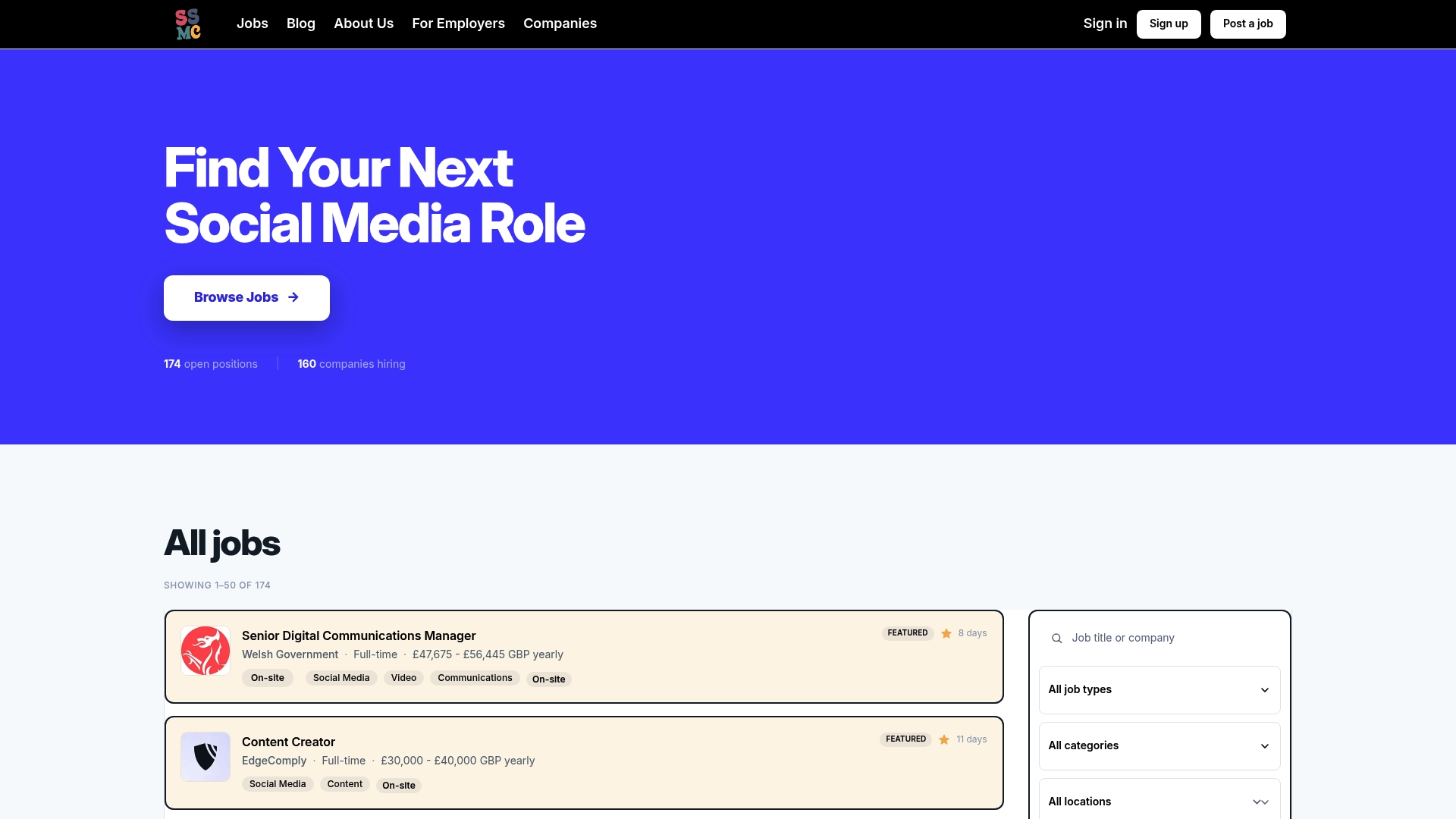
Browse our remote UK jobs with transparent salaries or all open roles, and match the skills you've just built to roles that state their pay upfront.
FAQ
What marketing skills are in demand right now?
Strategic thinking, AI co-pilot proficiency, data analysis, and SEO understanding are among the most frequently cited in-demand skills, according to Content Marketing Institute research. Writing and editing remain foundational, but employers increasingly expect comfort with data and AI tools alongside creative ability.
What are the skills of a content creator?
A content creator typically needs writing and editing ability, basic audio and video production skills, platform-specific formatting knowledge, and audience engagement instincts. The Skills England Level 3 standard also lists planning, project delivery, and evaluation as core competencies, not just creative output.
What all comes under content marketing?
Content marketing spans strategy and audience research, writing and creative production, SEO and distribution, analytics and measurement, and increasingly, AI-assisted workflows. CMI's long-running skills coverage groups these recurring areas together as the core of the discipline.
How can I improve my content marketing skills quickly?
Focus on small, concrete tasks rather than broad study: complete a timed content brief, build one analytics dashboard, and practise using AI for outlining and summarising rather than full drafts. Tracking completed tasks and outcomes gives you real evidence to show employers, which matters more than a long list of claimed skills.
Sources
- Marketers Optimize Wrong Skills for the Future - Content Marketing Institute
- Content creator - Skills England