£24k–£62k UK Content Creator Pay 2026 with Sam's Social Media Club

Content creators in the UK earn an average of about £29,111 a year, though pay ranges widely by role, platform and experience level, from entry-level writers to senior managers overseeing content strategy. Freelancers and employees calculate income differently, and both need to understand how HMRC treats fluctuating creator income. The rest of this guide breaks down the numbers by role, location and employment type, then covers the tax rules that matter most.
TL;DR:
- Entry-level content writers typically earn around £24,326 annually, with senior managers earning up to £62,000, reflecting significant responsibility and experience.
- Geographic pay differences favor London roles, but remote and hybrid positions are increasingly offering similar salaries, especially when creators can demonstrate measurable results.
- Freelance day rates often exceed salaried equivalents once secondary income streams are included, but freelancers must account for unpaid time off and business costs.
- Creators must report all income from online platforms to HMRC once exceeding the £1,000 trading allowance, and maintaining good records can prevent costly errors.
- Salary progression usually occurs every 18 to 24 months, with transparent listings and portfolio results being key to negotiating better pay.
Find content roles with transparent salaries. Explore curated opportunities across social media, content, marketing, and communications, with the salary clearly listed on every job. Explore current roles
Table of Contents
- Salaries at a glance: headline figures, ranges and quick conversions
- By role and experience: content writer, content manager, social media creator, YouTuber
- Location and platform: the London premium and platform-specific differences
- Employed vs freelance: day rates, additional revenue streams and how to estimate total earnings
- Tax and reporting essentials for UK creators (HMRC)
- How to increase your pay and negotiate: concrete steps for UK creators
- Sam's Social Media Club: first-party trends and how to use the job board
- Pay progression: a practical view for creators planning their next move
- Find salary-transparent content roles with Sam's Social Media Club
- Sources
- FAQ
Salaries at a glance: headline figures, ranges and quick conversions
UK content creator pay spans a wide band depending on where you look and what the role actually involves. Glassdoor's UK data puts the average content creator salary at roughly £29,111, with top earners near £47,782 at the 90th percentile. That range reflects everyone from junior social content assistants to creators running full campaigns.
Role-specific data tells a sharper story. PayScale reports an average Content Writer salary of £24,326, with a typical spread between roughly £19,000 and £39,000 depending on experience. Move up to management and the numbers shift again: SalaryData's content manager page shows a median of around £38,000, rising to £62,000 for senior positions.
- A junior content writer at £24,326 a year works out to roughly £117 a day based on a standard 208 working-day year.
- A senior content manager at £62,000 converts to close to £298 a day using the same calculation.
- These figures are annual salary equivalents, not freelance day rates, which typically run higher to cover gaps between contracts.
A wide pay gap separates writers from managers. SalaryData's content manager figures show senior managers earning over 2.5 times the entry-level writer average from PayScale, largely reflecting added responsibility for strategy and team oversight.
By role and experience: content writer, content manager, social media creator, YouTuber
Job titles in content and social media are inconsistent across employers, which makes comparing offers harder than it should be. A "content lead" at one company might do the work of a manager elsewhere, while a "content producer" role can mean anything from video editing to full campaign ownership.
- Entry-level (0 to 2 years): Content writers and junior social media creators typically start near PayScale's £24,326 average, often producing copy or short-form content under editorial direction.
- Mid-level (3 to 5 years): Pay climbs toward the Glassdoor average of £29,111 or higher, with responsibilities expanding to include campaign planning and some strategic input.
- Senior (6+ years): Content managers and strategists move into the £38,000 to £62,000 range SalaryData reports, taking ownership of budgets, team direction and measurable results.
Management titles generally command more than pure production roles because they carry accountability for outcomes, not just output. When you're reading a job ad with a vague title, look past the label and check the actual duties listed, the reporting line and whether a salary band is disclosed. For a broader sense of how these bands map across social and marketing roles, see what social media and marketing jobs pay in the UK.
Location and platform: the London premium and platform-specific differences
London roles still tend to pay more than equivalent positions elsewhere in the UK, a pattern consistent across most salary data sources. Remote and hybrid hiring is narrowing that gap, though, since employers increasingly compete for talent regardless of postcode.
Platform also shapes earnings potential. Employed roles built around brand or agency content sit closer to standard salary bands, while YouTube-focused positions and hybrid social media manager roles show wider swings depending on whether ad revenue, sponsorships or a fixed salary drives the pay structure.
- Check whether the ad states "London-based" versus "UK remote" since that single line can shift the expected band significantly.
- Look for explicit salary ranges rather than "competitive salary," which usually signals the employer hasn't committed to transparency.
- Ask whether pay reflects a fixed salary, a mix of salary and performance bonus, or platform revenue share.
Pro Tip: If you're based outside London, highlight measurable campaign results in your application. Demonstrated impact often closes the location gap faster than relocating does.
Regional creators who can show comparable results to London-based peers are increasingly able to negotiate similar pay, particularly for remote and hybrid roles.
Employed vs freelance: day rates, additional revenue streams and how to estimate total earnings
Freelance content work is priced by the day or project rather than an annual salary, which means comparing the two requires a bit of math. A common way to estimate annualized freelance income:
- Take your day rate and multiply it by your expected billable days per year, typically 150 to 200 after accounting for admin, pitching and downtime.
- Add secondary income such as brand partnerships, subscription revenue or digital product sales, which industry reporting shows many UK creators now rely on alongside core client work.
- Subtract estimated tax, National Insurance and business costs before comparing the result against an equivalent salaried offer.
Freelance income can outpace employed salaries once you factor in multiple revenue streams, but it comes without paid holiday, pension contributions or sick pay. Our day rate calculator and checklist walks through setting a rate that accounts for these gaps.
Tax and reporting essentials for UK creators (HMRC)
Fluctuating income is normal for content creators, and HMRC has specific rules that apply once earnings cross certain thresholds. Getting this wrong is one of the most common and avoidable mistakes creators make.
- You must tell HMRC about income from online platforms once your total trading income exceeds the £1,000 trading allowance in a tax year.
- Creators of literary or artistic works may qualify for averaging relief under HS234, which smooths taxable profit across two years when income swings sharply.
- Keep records of gifted products, sponsored content payments and royalties, since all of these count as taxable income even when no cash changes hands directly.
- Register for Self Assessment promptly once you know you'll exceed the trading allowance, rather than waiting until the filing deadline approaches.
Good bookkeeping habits now save a lot of stress later, particularly for creators juggling several income sources across the year.
How to increase your pay and negotiate: concrete steps for UK creators
Certain skills reliably move the needle on pay. Analytics fluency, video editing and hands-on paid ad experience tend to separate mid-level creators from those stuck at entry-level rates, because they let you show results rather than just output.
- Build a portfolio of measurable outcomes: engagement growth, conversion rates or revenue attributed to campaigns you led.
- Package these metrics clearly in your CV and pitches rather than listing tasks or platforms alone.
- Ask employers for the salary band upfront and treat vague answers as a signal to negotiate harder or look elsewhere.
- Use transparent salary listings as leverage in conversations, since they show what comparable roles actually pay.
- Structure freelance retainers around defined deliverables rather than open-ended hours, which protects your rate as scope grows.
Pro Tip: When negotiating a raise or new rate, bring one concrete number, such as a campaign's engagement lift or revenue contribution, rather than a general case for "more experience."
Creators aiming to move from writer to manager-level roles over the next year or two can find a structured approach in our 12 to 24 month career plan.
Sam's Social Media Club: first-party trends and how to use the job board
Listings on Sam's Social Media Club follow a mandatory salary transparency policy, which gives a clearer read on current UK pay than ads listing "competitive salary." Patterns across the board show a familiar split: London roles still command a premium, but remote and hybrid postings are increasingly common at comparable pay, and content manager and social media creator titles appear most frequently among mid to senior listings.
Because listings show salary bands, you can filter by role, region and pay range before applying, cutting out the guesswork that comes with vague job ads elsewhere.

Pay progression: a practical view for creators planning their next move
Most creators see meaningful pay jumps every 18 to 24 months, usually tied to a title change rather than tenure alone. If you're early in your career, prioritize skill building and portfolio evidence over chasing freelance income right away. This week, check a few transparent job listings in your target role and run a day rate calculation against your current salary.
— Sam
Find salary-transparent content roles with Sam's Social Media Club
Every listing on Sam's Social Media Club includes a salary band upfront, so you can see what a role actually pays before you apply rather than guessing from a vague job description. The platform includes postings across social media, content and marketing roles, with application access that reduces layers between you and the employer.
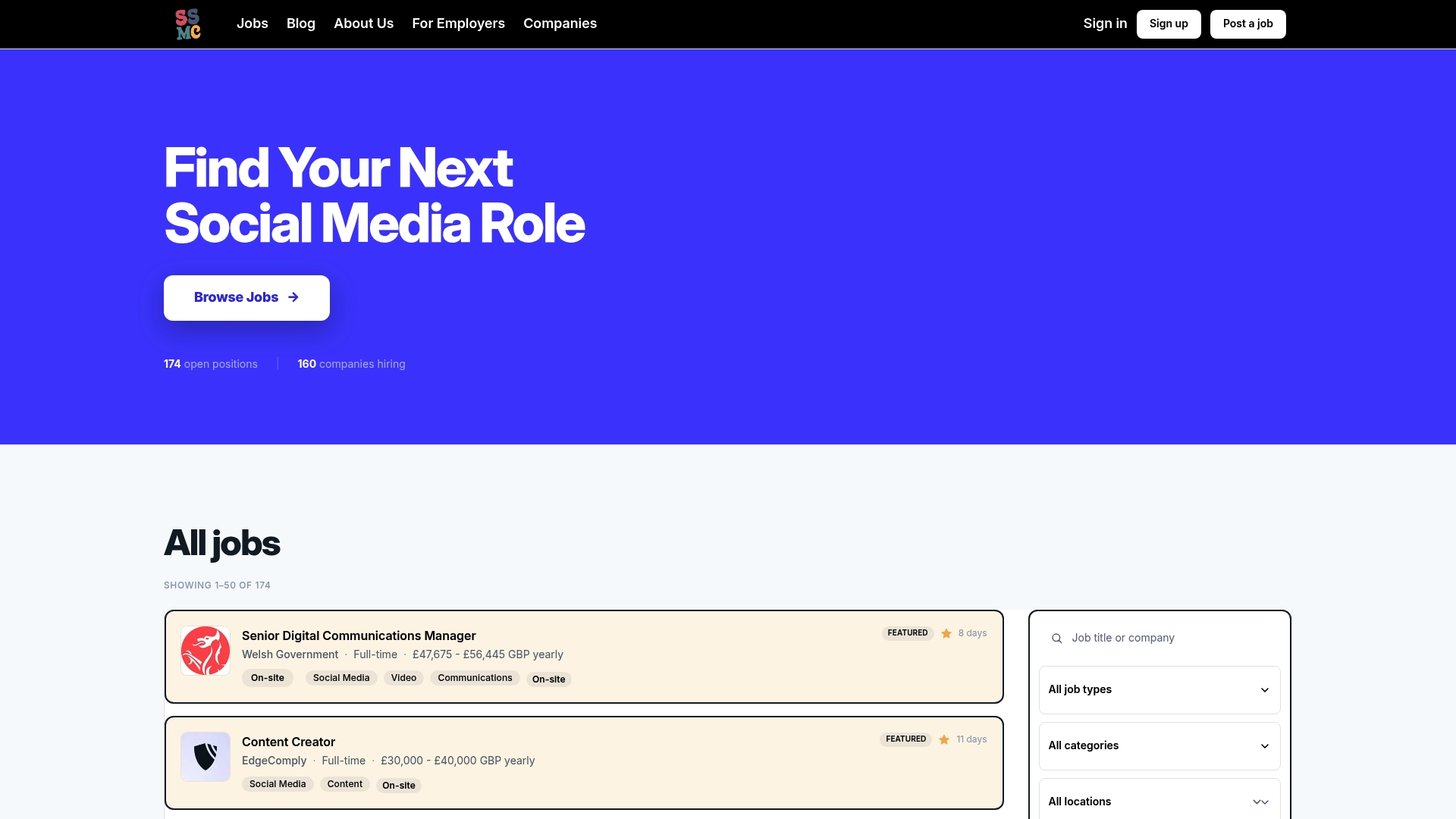
- Search listings by role, region and salary band to shortlist roles that match your target pay.
- Compare transparent bands against the figures in this guide before you apply or negotiate.
- Employers looking to post a role can review options on the advertising page.
If you're building a portfolio site to support freelance pitches, providers like BasicBS or SetWorks handle UK-based web and SEO setup. Ready to see what's currently listed? Browse open roles or get in touch if you have questions about how the listings work.
Sources
- Salary: Content Creators | Glassdoor UK
- Content Writer Salary in United Kingdom | PayScale
- Content Manager Salary UK (2026) | SalaryData
- Check if you need to tell HMRC about income from online platforms | GOV.UK
- HS234 Averaging for creators of literary or artistic works | GOV.UK
FAQ
Is a salary of £27,000 a good one in the UK?
A salary near the Glassdoor average for content creators of about £29,111 makes it a reasonable mid-entry figure for the sector. Whether it feels sufficient depends heavily on location, since London costs more to live in than most other UK regions.
What jobs pay $4,000 a month in the UK?
UK salaries are quoted in pounds rather than dollars, so this figure doesn't map directly to a standard UK pay band. Roughly converted, a monthly income in that range would sit close to mid-level content manager pay, which SalaryData places at a median of around £38,000 a year.
Is £70,000 a good salary in the UK?
A salary above typical content creator pay bands, including the senior content manager range up to £62,000 reported by SalaryData, is more common among senior strategists, heads of content or creators who combine salaried work with freelance income.
Do content creators make good money?
Earnings vary widely: some creators earn close to entry-level writer pay around £24,326, while others combine salary with brand deals and other revenue streams to earn considerably more. Industry reporting shows many UK creators now diversify income across multiple sources rather than relying on one employer or platform.